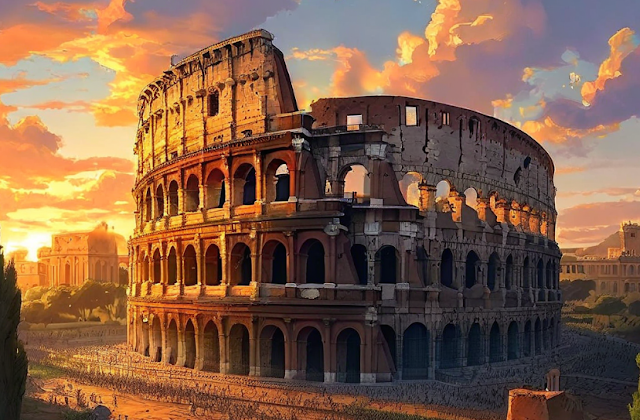
What does it take for a city to earn the nickname The Eternal City? Rome didn’t just stumble upon it—it earned that title through thousands of years of influence, survival, and reinvention. From emperors and gladiators to popes and pizza, this ancient metropolis has stood the test of time in ways few places on Earth ever could.
What Is the Eternal City?
When people talk about “The Eternal City,” they’re referring to Rome, Italy—a city that has been continuously inhabited for over 2,700 years. The nickname comes from the Latin phrase Roma Aeterna, which ancient Romans used to express their belief that Rome would last forever.

Rome’s enduring power wasn’t just political—it was spiritual, cultural, and architectural. Even after the fall of the Roman Empire, the city continued to shine as a beacon of art, religion, and history. Today, its mix of ancient ruins and modern life makes it a living museum unlike any other.
How Did Rome Earn Its Eternal Title?
The phrase “The Eternal City” first appeared in ancient Roman literature. Roman poets like Tibullus and Ovid wrote about Rome’s everlasting greatness during the first century BCE. To them, the empire might change, but Rome—the heart of civilization—would never die.
Here’s why the nickname stuck:
Unbroken history: Rome has been continuously inhabited since 753 BCE.
Enduring influence: Roman law, language, and architecture shaped Western civilization.
Spiritual power: As the center of the Catholic Church, it remains a global religious hub.
Cultural rebirths: The Renaissance and Baroque periods both revived Rome’s grandeur.
Tourist magnet: Millions still visit each year to walk the same streets as emperors once did.
What Makes Rome Feel So Eternal?
Step into Rome and you’ll understand why the name fits. The city feels like time has folded in on itself. One moment you’re sipping espresso in a trendy café; the next, you’re staring at the Colosseum—a structure that’s almost two millennia old.
A few timeless landmarks make this feeling unforgettable:
The Colosseum: Once home to gladiatorial battles, it’s now a symbol of resilience.
The Pantheon: A temple turned church, it’s still in use after 1,900 years.
The Roman Forum: The political heart of ancient Rome still whispers history.
St. Peter’s Basilica: A Renaissance masterpiece that continues to draw pilgrims.
The Trevi Fountain: Toss in a coin, and legend says you’ll return to Rome—another nod to its eternal nature.
Is “The Eternal City” Just About the Past?
Not at all. Rome’s eternity isn’t just about what’s old—it’s about how it keeps evolving. The city constantly reinvents itself without losing its soul.
Today’s Rome is:
A creative capital: Designers, filmmakers, and chefs continue to redefine Italian style.
A living contrast: Ancient ruins coexist with modern art galleries and electric scooters.
A culinary destination: From traditional trattorias to experimental fusion, food here never stops evolving.
A city of festivals: Events like Festa della Repubblica and Rome Film Fest blend history with modern energy.
Rome proves that being eternal doesn’t mean staying frozen in time—it means thriving across centuries.
What Does “The Eternal City” Mean to the World Today?
For many, Rome represents the idea that beauty, culture, and human achievement can outlast chaos and change. It’s a reminder that even after wars, empires, and revolutions, creativity and faith endure.
This symbolic meaning has inspired everything from Renaissance art to modern movies. And when people call Rome The Eternal City, they’re really saying: some things are simply too powerful to fade away.
The first time I saw Rome, I was struck by how alive it felt. Street musicians played near ruins older than my country. Locals chatted over cappuccinos beside marble columns that once held up temples. It’s one of the few places where history doesn’t feel distant—it walks right beside you.
Rome truly lives up to its nickname, The Eternal City. Its layers of history, faith, and artistry have survived centuries of change and continue to shape the modern world. Have you ever visited Rome—or is it still on your travel bucket list?